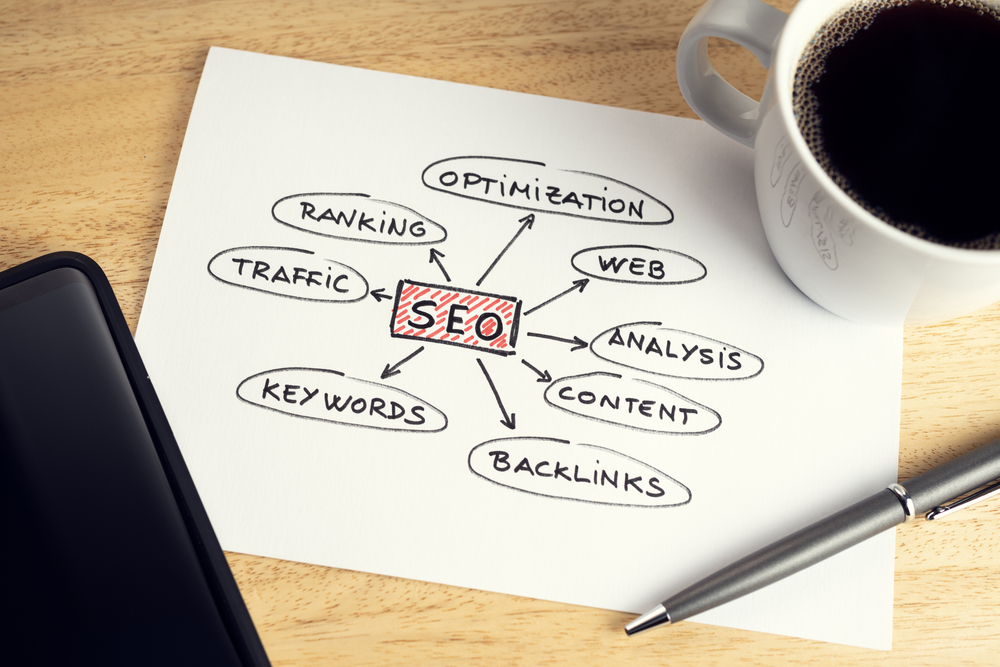
In today's digital age, having a strong online presence is crucial for the success of any business or personal brand. With millions of websites competing for attention, search engine optimization (SEO) and link building have become essential tools for boosting your website's ranking and driving organic traffic. In this ultimate guide, we will delve into the world of SEO (or SEM) and provide you with tips, tricks, and strategies to optimize your website and increase its visibility in search engine results.
I. Understanding SEM/SEO : The Basics
Before we dive into the intricacies of SEO and link building, it's important to understand the fundamental concepts behind these practices. SEO (search engine optimization) is the process of improving your website's visibility and ranking in search engine results pages (SERPs) through organic (non-paid) means. By optimizing your website for search engines, you can attract more targeted traffic and increase your chances of converting visitors into customers.
II. On-Page SEO Optimization
1. Keyword Research: Keywords play an essential role in SEO/SEM . Start by conducting thorough keyword research to identify the most relevant and high-volume keywords for your industry. Tools like Google Keyword Planner and SEMrush can help you determine the popularity and competitiveness of different keywords.
2. Meta Tags: Optimizing meta tags, including the title tag and meta description, is crucial for on-page SEO. Ensure that your title tag includes your target keyword and accurately describes the content of your page. The meta description should be enticing, persuasive, and also include relevant keywords.
3. Content Optimization: Creating high-quality and relevant content is at the heart of SEO. Ensure your content incorporates target keywords naturally without overstuffing. Include relevant headers (HTML header tags) to organize your content and make it easier for search engines to understand.
4. URL Structure: Optimize your URL structure by including target keywords and keeping it concise and descriptive. Use hyphens to separate words and avoid using unnecessary numbers or characters.
5. Image Optimization: Images can significantly enhance the user experience, but they can also slow down your website if not optimized properly. Compress your images to reduce their file size, use descriptive filenames and alt tags, and provide relevant captions to improve accessibility and SEO.
III. Off-Page SEO Optimization: Link Building
1. High-Quality Backlinks: Backlinks are links from other websites that point towards your website. They are a crucial factor in search engine algorithms, signaling to search engines that other websites trust your content. Focus on acquiring high-quality backlinks from reputable websites within your industry through guest blogging, influencer outreach, and content promotion.
2. Social Media Promotion: Social media platforms are not only great for building brand awareness but can also play a significant role in link building. Promote your content on social media to increase its visibility and encourage others to share and link back to it.
3. Online Directories and Listings: Submitting your website to relevant online directories and listings can improve your website's visibility and provide valuable backlinks. Choose directories that are reputable and relevant to your industry.
4. Influencer Collaborations: Collaborating with influencers in your industry can amplify your reach and help you gain valuable backlinks. Reach out to influencers through personalized outreach and offer them mutually beneficial collaborations, such as guest blogging or product reviews.
5. Content Promotion and Outreach: Create compelling and shareable content that others would naturally want to link to. Proactively reach out to other websites, bloggers, and journalists within your industry to promote your content and ask for backlinks.
IV. Constant Monitoring and Optimization
SEO is not a one-time task, but an ongoing process. Continuously monitor your website's performance using tools like Google Analytics and Google Search Console. Analyze data such as organic traffic, keyword rankings, and bounce rates to identify areas for improvement. Regularly update and optimize your content based on the insights gathered.
Frequently Asked Questions:
1. What is the importance of SEO for my website?
SEO is crucial for boosting your website's visibility in search engine results and attracting targeted organic traffic. It helps increase brand awareness, drives more potential customers to your website, and improves your chances of conversions and sales.
2. How long does it take to see results from SEO efforts?
Results from SEO efforts can vary depending on various factors, including the competitiveness of your industry, the age of your website, and the quality of your SEO practices. While some improvements can be seen in a few weeks, it typically takes several months to see significant results.
3. Are backlinks still important for SEO?
Yes, backlinks are still an essential factor in SEO. They not only drive referral traffic but also indicate to search engines that your website is trusted and authoritative. Focus on acquiring high-quality backlinks from reputable sources to boost your website's ranking.
4. Should I focus on on-page SEO or off-page SEO?
Both on-page and off-page SEO are important for a well-rounded SEO strategy. On-page SEO ensures your website is optimized for search engines and provides a great user experience, while off-page SEO, particularly link building, helps build authority and reputation.
5. Can I optimize my website for SEO without technical knowledge?
While having technical knowledge can be advantageous, it is not a prerequisite for optimizing your website for SEO. Many content management systems (CMS) offer user-friendly plugins and tools that simplify the process. Educate yourself on basic SEO principles, follow best practices, and leverage available resources, such as online tutorials and SEO tools.
In conclusion, SEO and link building are powerful tools for improving your website's ranking and driving organic traffic. By implementing the tips, tricks, and strategies outlined in this guide, you can optimize your website, increase its visibility, and ultimately achieve digital success. Remember that SEO is an ongoing process, so stay informed about industry trends and adapt your strategies accordingly to stay ahead of the competition.
Other useful resources
- https://www.seoguru24.com/website-promotion/
- https://www.seoguru24.com/services/
- https://en.wikipedia.org/wiki/Search_engine_marketing
- https://en.wikipedia.org/wiki/Search_engine_optimization